A Guide to Creative Visual Analysis
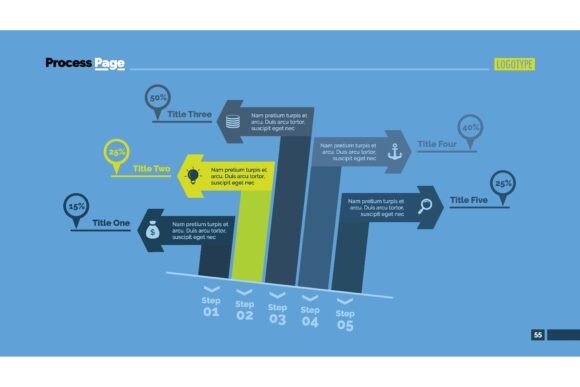
Imagine a presentation where complex data leaps off the screen, instantly understood and visually captivating. This is the power of the Five Arrow Percentage Chart, a dynamic tool designed to transform statistical comparison into an artful, engaging narrative for your business data.
From a professional graphic design perspective, such a chart represents more than just numbers; it's a creative asset built to elevate your entire visual communication strategy. Its unique diagrammatic design uses directional arrows and clear percentage indicators to effortlessly compare and contrast multiple data points, making it an outstanding choice for infographics, reports, and presentations where clarity and impact are paramount.
Beyond the Numbers: Visual Design in Action
The Five Arrow Percentage Chart is a testament to how thoughtful visual design can breathe life into abstract information. It directly addresses a core principle of modern aesthetics: visual hierarchy. By structuring data along distinct vectors, it guides the viewer’s eye logically through the comparison, prioritizing information without overwhelming them.
This makes it an incredibly versatile tool across a wide spectrum of creative projects. Its application is not confined to dry reports; it's a powerful element for enhancing branding, digital marketing, and user experience.
Practical Applications for Designers & Creators
Consider integrating this chart style into your workflow to achieve polished, professional results in areas like:
- Branding & Presentations: Use it in investor decks or internal strategy documents to visually communicate growth metrics, market share comparisons, or performance against goals, strengthening the narrative of your brand identity.
- Digital Marketing & Social Media Graphics: Create standout content that summarizes product features, survey results, or competitive advantages in a single, scroll-stopping visual.
- Web Design & UI/UX Design: Implement it on service pages or dashboards to present pricing tiers, feature breakdowns, or user satisfaction scores, improving both clarity and engagement.
- Editorial & Print Design: Enhance magazine articles, white papers, or annual reports with data visuals that are both informative and aesthetically aligned with your publication's layout.
Crafting Effective Visuals with Creative Assets
To leverage a chart like the Five Arrow Percentage Chart effectively, it must be harmonized with your broader visual system. This integration is key to professional presentation and cohesive brand identity.
Pay close attention to:
- Color Palette: Align the chart’s colors with your brand’s established palette. Use contrasting colors for the arrows to denote positive/negative trends or different categories, ensuring readability and emotional resonance.
- Typography: The labels and percentages must use a clear, legible typeface that complements your overall design. Consistency in font usage across the chart and the surrounding material is crucial for a polished look.
- Scalability & Composition: Ensure the design remains clear and effective whether it’s scaled down for a mobile screen or blown up for a large conference room display. The composition should balance the graphic elements with any supporting text or imagery.
Remember, the goal is to transmute data interpretation into a fascinating concept. A well-executed Five Arrow Percentage Chart does not just show data; it tells a story. It can highlight progress, pinpoint disparities, or celebrate achievements in a way that resonates more deeply than a simple table or pie chart.
In the realm of creative assets, choices like this define the quality of your communication. Whether applied to packaging design, advertising campaigns, or digital products, a focus on thoughtful, visually impactful design elevates your work from merely functional to genuinely compelling. It demonstrates an understanding that in today’s landscape, how you present information is inseparable from the information itself, ultimately improving both aesthetics and the effectiveness of your message.