The Power of Plant: A Process-Driven Approach to Visual Asset Management
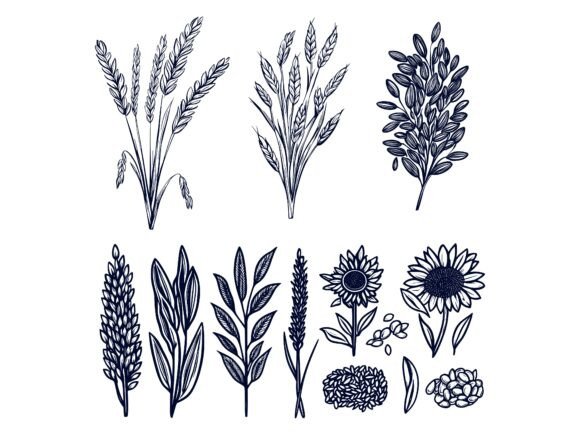
In creative workflows and professional projects, a collection of visual assets is more than just a folder of files; it is a critical component in a structured process. For many creators, the initial step of sourcing high-quality, adaptable materials dictates the efficiency and quality of the entire project. Plant fits directly into this crucial planning and preparation phase. It represents a curated solution, a specialized AI EPS illustration set designed to serve as a foundational resource. Understanding where Plant sits in your workflow—often at the very beginning—can transform how you approach design tasks, from marketing campaigns to educational content and product development.
Where Plant Integrates Into Your Workflow Process
Every project, whether for print, web, or digital applications, follows a sequence. The preliminary stages involve resource gathering, style definition, and asset preparation. Here, the quality and format of your starting materials determine downstream efficiency. Plant is engineered for this initiation point. Its AI EPS format means the vector files are inherently editable and scalable, making them ideal for the planning stage where concepts are fluid. Instead of committing to static imagery, you begin with a flexible library. This allows for iterative design, a process where initial mockups can evolve without the need to source entirely new assets. For a freelancer juggling multiple client styles or a small business owner developing consistent branding, starting with this versatile set streamlines the creative process from the outset.
Achieving Perfection in Details Through Systematic Organization
A core principle of effective workflow management is organization, which directly impacts usability and long-term efficiency. A poorly structured asset library can derail a project mid-flow, causing delays and inconsistencies. Plant addresses this with a deliberately neat file and layer structure. This isn't merely a convenience; it is a practical implementation feature for professionals who value systematic execution. When layers are logically named and grouped, the process of editing, changing colors, and modifying icons becomes a predictable, rapid task rather than a frustrating excavation. For educators creating infographics or marketers adapting a symbol set for a new campaign, this organized foundation means less time is spent on file management and more on creative execution and quality refinement.
Compatibility and Preparation: Ensuring Smooth Integration
Preparation involves ensuring your tools are compatible with your environment and team. Plant's design for both Mac and Windows users removes a common barrier at the integration stage. This cross-platform compatibility is a practical consideration for workflows that involve collaborative teams or freelancers using different systems. It means the asset can be seamlessly introduced into the process without requiring conversions or risking file corruption. Furthermore, the inclusion of both AI EPS and JPG files serves different phases of the workflow. The editable EPS files are for the active design and modification stage, while the JPGs can be used for quick placement in early wireframes, client presentations, or web comps before final vector work is complete.
Practical Applications in Diverse Workflows
The utility of Plant is demonstrated through its application across various real-world processes. For an entrepreneur developing an app, the icons and symbols can be modified throughout the UI/UX design process, maintaining consistency from initial wireframes to final development assets. A blogger can integrate these illustrations into post graphics and social media content, easily changing colors to match a publication's palette without needing new artwork for each article. In a marketing agency's workflow, the set can serve as a shared resource for multiple designers working on a branded campaign, ensuring visual consistency across print ads, web banners, and infographics—a key factor in quality control. Each scenario highlights how a well-prepared, editable asset set functions not as a final product, but as a dynamic tool within a broader creative and business execution.
Modification as a Core Process Step
The ability to edit and modify the icons easily is a feature that directly interacts with the iterative nature of modern creative work. A process rarely follows a linear path from concept to final output; it involves feedback, revisions, and adaptation. When an illustration set is locked, it forces a decision point that can hinder this natural flow. Plant, by being fully editable, allows modification to be a smooth, integrated step within the project timeline. You can adjust a symbol's complexity for an app icon, change a color scheme to align with a seasonal promotion, or combine elements to create a new infographic component. This flexibility supports a process-oriented approach where assets evolve alongside the project's needs.
Long-Term Use and Asset Sustainability
Beyond a single project, effective workflow planning considers the long-term value of resources. An asset that can only be used once is inefficient. Plant's suitability for print, web, symbols, and apps makes it a sustainable investment. Its vector-based perfection in details ensures that whether you scale an icon for a large poster or shrink it for a mobile interface, the quality remains consistent. This longevity is crucial for professionals and businesses that build upon a visual identity over time. Instead of constantly purchasing new illustration packs for different mediums, this single, well-organized set can be repurposed and adapted, becoming a staple in your digital toolkit. This approach to resource management emphasizes efficiency and consistency across multiple projects and years.
Execution Tips for Integrating Plant Into Your Routine
To integrate Plant smoothly, consider your existing workflow structure. Start by placing the unzipped files into a dedicated, well-named directory within your standard asset library or cloud workspace. Before a new project begins, browse the set during the concept development phase to identify potential symbols or illustrations that align with your theme. Use the JPGs for quick mood boards or initial client sketches. When moving into active design, open the AI EPS files in your vector software and immediately examine the layer structure to understand its organization—this will save time later. Create a color palette file for your project and then test the color-change process on a few icons to familiarize yourself with the ease of modification. This preparatory exploration makes the actual implementation during crunch time faster and more reliable.
Ultimately, Plant is not just an illustration collection; it is a workflow component designed for preparation, integration, and practical execution. Its value is unlocked by understanding how it fits into the process—as a flexible, organized, and high-quality starting point that supports modification, ensures consistency, and remains compatible across platforms and projects. For creators, professionals, and business owners focused on efficient and high-quality outcomes, such a resource transforms the initial planning stage into a foundation for success, allowing the subsequent steps of the creative or business workflow to proceed with greater confidence and control.