The Enduring Legacy of Medieval Heraldic Design
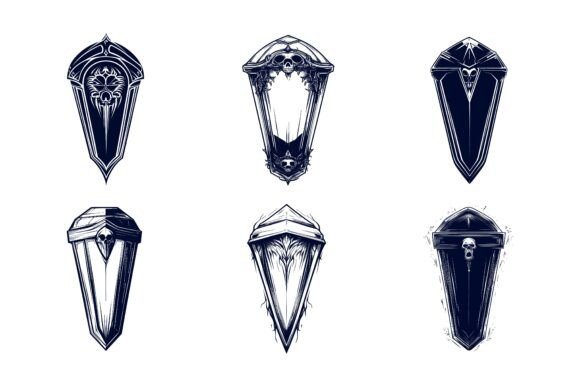
Medieval Style Heraldic Design, commonly known as heraldry, is a distinctive visual system originating in the 12th century. Its primary function was identification, born from the practical necessity of distinguishing armored knights on the battlefield and in tournaments. This system evolved into a complex language of symbols, colors, and geometric partitions, formally codified into coats of arms. A true Medieval Style Heraldic Design is characterized by its use of traditional heraldic components: shields, crests, mantling, and specific animals or objects known as charges. The design philosophy is rooted in clear symbolism, bold silhouettes, and a structured composition that conveys identity, lineage, and achievement.
Contemporary Interest in Heraldic Motifs
Interest in Medieval Style Heraldic Design extends far beyond historical study or familial genealogy. Modern designers, brands, and institutions often look to this style for its inherent qualities of authority, tradition, and structured elegance. The visual language offers a powerful tool for conveying values such as heritage, stability, and honor. For someone evaluating this style, the appeal typically lies in its strong symbolic weight and its ability to project a sense of established identity. It provides a ready-made framework for creating logos, emblems, or decorative elements that feel both timeless and meticulously crafted.
Benefits and Practical Applications
When applied thoughtfully, Medieval Style Heraldic Design offers several tangible benefits. Its inherent structure promotes clarity and memorability, key goals in any identity design. The style is exceptionally versatile in application, scaling effectively from large banners to small digital icons. A well-executed heraldic-inspired design can convey complexity through its layered symbolism while remaining visually cohesive. Common practical applications include corporate branding for companies wishing to emphasize heritage and reliability, academic insignia for schools and universities, and distinctive motifs for game design, literature, and media projects seeking a medieval or fantasy aesthetic.
Key Considerations and Tradeoffs
Choosing to employ Medieval Style Heraldic Design requires careful consideration. One primary tradeoff is the balance between tradition and modernity. A strictly historical approach might feel anachronistic or overly niche for a contemporary tech brand, for instance. The style’s complexity can also be a double-edged sword; detailed coats of arms are rich in meaning but may lose effectiveness when simplified for small-scale digital use. Furthermore, the color palette in traditional heraldry—using tinctures like gold, silver, red, blue, black, and green—is specific and can limit integration with existing modern brand color schemes. The designer must decide whether to adhere strictly to heraldic rules or adapt them loosely for a more stylized, evocative result.
Situations for a Strong Fit
Medieval Style Heraldic Design is a particularly strong fit for projects where conveying legacy, authority, or a formal identity is paramount. This includes institutions like law firms, financial organizations, or museums. It is also highly suitable for products and narratives directly connected to medieval history, fantasy genres, or role-playing games. For any entity with a long historical narrative or one that wishes to craft a narrative of established expertise, the symbolic depth and formal structure of heraldic design provide a ready visual foundation. In these contexts, the design acts not merely as decoration but as a communicative device loaded with intentional meaning.
When to Consider Alternatives
While powerful, Medieval Style Heraldic Design is not universally appropriate. Alternatives should be considered when the primary communication goals are centered on minimalism, futuristic innovation, or casual friendliness. For a startup in a cutting-edge field like artificial intelligence or social media, a sleek, abstract logo may communicate its values more directly than a heraldic shield. Similarly, brands targeting a young, informal demographic might find the style too rigid or ornate. In such cases, exploring modern geometric design, organic hand-drawn styles, or simplified typographic logos might yield better alignment with project goals and audience expectations. The decision hinges on whether the core message is tradition or disruption.
Practical Decision-Making Insights
To determine if Medieval Style Heraldic Design aligns with your needs, begin by auditing your core communication objectives. List the key values you wish the visual identity to embody. If tradition, honor, history, or structured authority feature prominently, heraldry is a compelling path. Next, evaluate your medium. Will the design be used predominantly in print on high-quality materials, or as a tiny app icon? Heraldic details thrive in print but require careful adaptation for digital interfaces. Finally, consider your capacity for customization. Authentic heraldic design involves understanding symbolic conventions. Utilizing a pre-designed collection of heraldic elements, provided in editable vector formats like AI and EPS, can offer a practical middle ground. Such resources allow you to harness the style’s aesthetic and structure while enabling you to edit colors, modify icons, and adapt the artwork seamlessly for print, web, symbols, and infographics, ensuring it integrates neatly into your specific technical workflow and design needs.
Ultimately, the value of Medieval Style Heraldic Design lies in its purposeful history and potent symbolism. By evaluating your project's requirements for meaning, medium, and flexibility, you can make an informed decision on whether this centuries-old visual system is the right vehicle to carry your modern message.